The excitement of the 2026 FIFA World Cup is already building, with fans across Europe eager to catch all the action live.
For many, especially those who prefer streaming on-the-go, finding safe and free ways to watch World Cup matches on mobile devices is a top priority.



This article offers practical information for fans in France, Spain, Germany, and Italy looking for genuine, legal options and tips to make the most of the tournament’s streaming coverage.
Why Watch World Cup Games on Mobile? Benefits for Modern Fans
Mobile streaming has changed how people follow sports. With smartphones and tablets, viewers can enjoy matches anywhere—at home, at work, or even outdoors. The flexibility can make a real difference during the hectic World Cup season.
It's not just about convenience, either. Mobile platforms often offer interactive features, match highlights, and multilingual broadcasts.
Sometimes, though, it can feel challenging to identify truly free and legitimate ways to access the games. That’s where this guide comes in.
Official Broadcasters Streaming the 2026 World Cup for Free
Several countries in Europe offer free-to-air coverage of the World Cup via their national broadcasters. These public broadcasters often provide streaming options through their official mobile apps and websites.
However, access tends to be restricted to users in their own countries, due to broadcast rights limitations.
France: TF1 and M6
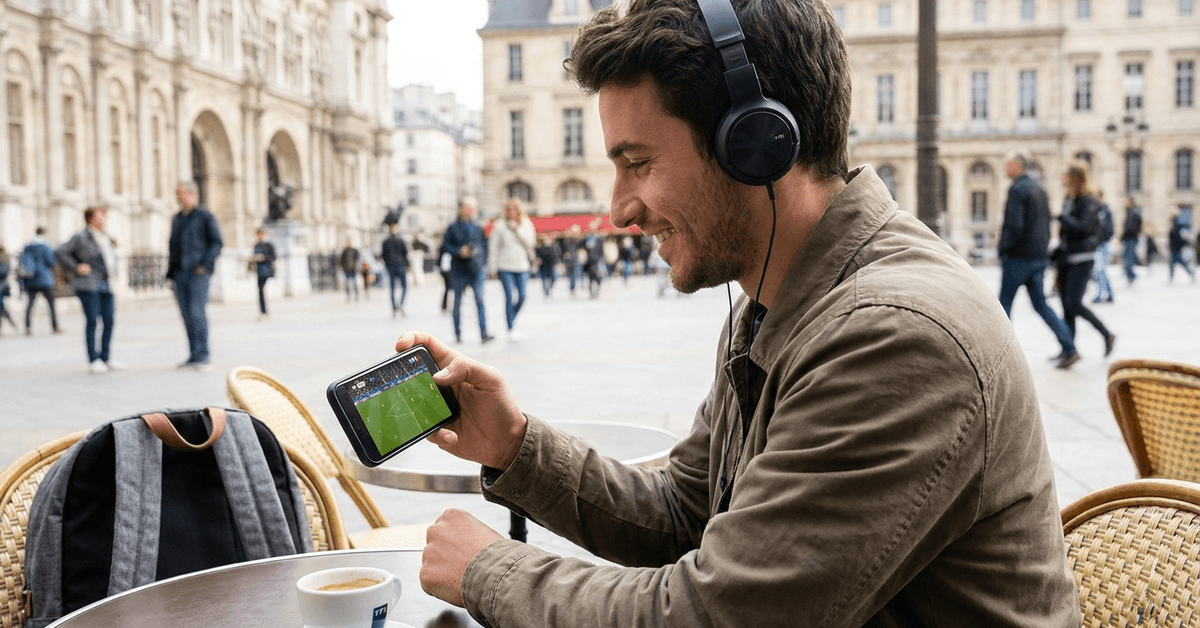
In France, TF1 and M6 are the traditional World Cup broadcasters. They usually stream matches live via their official mobile apps, like MYTF1 and 6play.
Most matches are available for free after a simple sign-up, although a quick check on their websites before match days is worth the time. Accessibility may depend on your geographic location in France, as content is often geo-blocked outside the country.
Spain: RTVE
For viewers in Spain, RTVE typically holds rights to broadcast selected World Cup games. The RTS Play app and web platform often allow free live streams for Spanish residents.
The mobile interface is known for reliability, but some users have reported occasional advertising interruptions. It isn’t perfect, but it’s a dependable choice for most fans in Spain.
Germany: ARD and ZDF
Germany usually divides World Cup broadcast duties between ARD and ZDF . Both networks provide full live coverage through their mobile apps (ARD Mediathek, ZDFmediathek).
Registration might be required to watch streams, and you need to be within Germany’s borders. Germans abroad often try workarounds, but strictly speaking, their official streams are geo-restricted.
Italy: RAI
In Italy, RAI frequently holds the rights to air World Cup matches. Italians can tune in using the RaiPlay app, offering live and on-demand coverage for registered users.
Again, content is generally geo-locked to Italian users, so availability varies when traveling or living abroad. Frustrating, but that's the reality of international sporting rights.
How to Access Streams If Living Abroad?
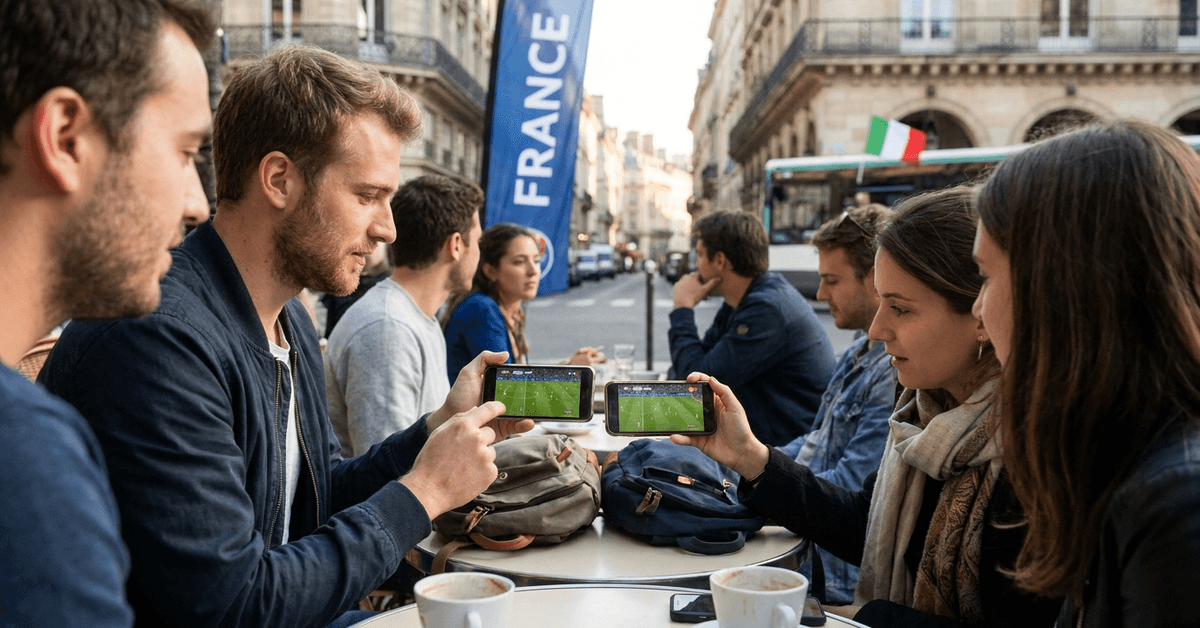
Sometimes people travel, move for work, or study in another country during the World Cup. This can complicate access to national broadcasts, as most mobile apps block streams outside their home country.
There are legal and responsible ways to stay connected, but not all solutions are straightforward.
Using Official International Broadcasters
Some broadcasters—in particular, large global networks—may offer selected matches worldwide. Examples include BBC (UK) and RTE (Ireland), but access is usually limited to local residents.
Occasionally, international streaming agreements permit brief free viewing periods. It’s worth checking these platforms occasionally, though, in practice, the options are limited for long-term free access.
FIFA’s Official Platforms
In past tournaments, FIFA has offered highlights and occasionally live match coverage via their official digital channels. The FIFA+ platform, available as an app, may stream selected content and match summaries for free.
While it rarely offers full live games, it is a legal and safe resource to catch match highlights, replays, and tournament analysis.
Free World Cup Streams: Legal and Safety Considerations
It's tempting to try less-than-legal streaming sites promising free live matches. However, these sites can present serious risks, including malware, intrusive ads, and even privacy compromises.
For both safety and to stay within Google Safe Browsing policies, sticking to official or authorized broadcasters is the best bet.
Understanding Geo-Blocking and VPN Usage
Geo-blocking, where access to content is controlled by your physical location, is standard in sports broadcasting.
Some suggest using VPN services to change your apparent location, but this is a controversial topic. It may violate broadcasters’ terms of service, and not all VPNs are safe.
For those exploring this, it's essential to weigh the legal and ethical aspects, perhaps reading broadcaster terms and privacy practices. It's not a guarantee for free access, and sometimes it just doesn’t work as advertised.
Recognizing Phishing Risks and Fake Apps
During popular events like the World Cup, phishing scams and fake streaming apps become more common.
Always download broadcasters’ mobile apps directly from recognized app stores. Avoid clicking suspicious links circulated via social media or messaging apps. While it may seem obvious, some people still get caught out every tournament cycle.
Optimizing Your World Cup Mobile Viewing Experience
Enjoying live matches on a mobile device isn’t only about accessing the right stream. Quality of your experience can depend on multiple details, some of which can get overlooked when excitement takes over.
Stable Internet Connection
Mobile streaming relies heavily on a reliable internet connection. Wi-Fi is preferable for high-definition streams, although modern 4G/5G networks can often be just as effective.
Some fans report buffering issues on busy match days, so it helps to test your connection in advance.
Device Compatibility and App Updates
Not every streaming app supports every device. Older phones may struggle or lack app support, so checking compatibility a few days early is smart.
Keeping apps updated helps with stream stability and quality. It might seem basic, but ignoring app updates is a common culprit for playback issues.
Using Headphones or External Speakers
For fans watching in public or noisy environments, headphones can make a significant difference. Match commentary and crowd atmosphere are integral to the World Cup experience, after all. Investing in decent headphones—nothing extravagant—can boost enjoyment considerably.
Tips for Watching the World Cup on Mobile
- Use only official broadcaster apps or authorized platforms.
- Check if the stream is available in your country before match day.
- Keep your app and device updated for smoother playback.
- Use stable Wi-Fi or strong 4G/5G when streaming live.
- Avoid fake apps, suspicious links, and unofficial stream sites.
Final Thoughts on 2026 World Cup Mobile Streaming
Watching the 2026 World Cup on mobile can be convenient, flexible, and affordable when you use safe legal sources. Official broadcasters in France, Spain, Germany, and Italy may offer free streams, highlights, and replays through their own apps.
Since access rules, registration needs, and geo-blocking can vary by country, checking the official platform before each match is important.
With trusted apps, updated devices, and a reliable connection, fans can enjoy the tournament with fewer risks and interruptions.