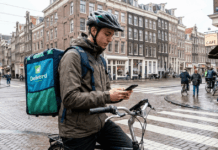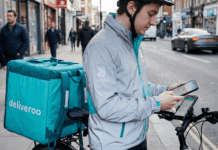
Becoming a self-employed delivery rider in Spain has gained noticeable popularity. Many choose this path to achieve greater flexibility and control over their working hours.
This article is intended for individuals interested in starting their delivery career in Spain. It outlines legal, financial, and practical steps for becoming self-employed in this growing field.


Learning the process can help maximize your earnings while ensuring full compliance. Whether you seek extra income or a full-time pursuit, understanding each step matters for your long-term success.

Why Delivery Work Appeals to Self-Employed Professionals in Spain
The Spanish gig economy has flourished in recent years. Platforms increasingly require riders to operate as autónomos , or self-employed workers.
This model is appealing for its flexibility. Many say the ability to design their schedule is invaluable. You might find that having no direct boss feels liberating too.
Still, there are considerations—income can fluctuate, and administrative tasks add extra time. Despite this, a growing number of riders in cities like Madrid and Barcelona choose this route each year.
Legal Requirements for Becoming a Self-Employed Rider in Spain
Before starting, riders must register as an autónomo . This ensures compliance with Spanish labor and tax laws. Registration is handled through the Social Security system and the Agencia Tributaria.
It’s necessary to hold a valid NIE or DNI, which acts as a national identification number. For foreign nationals, a residency permit may also be required.
Accurate registration helps avoid potential fines down the line. Spain can be strict about gig economy compliance, particularly in urban areas.
Essential Steps to Register as an Autónomo
- Obtain an NIE or DNI.
- Register with the Social Security (Seguridad Social).
- Sign up at the Agencia Tributaria (tax agency).
Each of these steps involves providing identification, basic documents, and occasionally proof of address. It can feel administrative, but each step protects your rights.
Financial Considerations – Autónomo Fees, Taxes, and Deductions
The monthly autónomo fee —known as cuota de autónomos—applies to every self-employed worker. New riders may access reduced fees for their first year, but full rates apply after that.
Tax declarations are quarterly and annual. These include VAT (IVA) and personal income tax (IRPF). Many riders set aside a portion of earnings to avoid surprises at tax deadlines.
Deductible expenses include work-related costs: scooter maintenance, fuel, and mobile plans, for example. Keeping invoices and receipts helps lower your taxable earnings.
Recommended Tools and Documentation
- Bank account for business transactions
- Accurate records of payments and expenses
- Invoices supporting work for digital platforms
Some rely on accountants for support, especially in the first year. Alternatively, Spain has several online tax software options, including agencies like Declarando or Infoautonomos.
Choosing Your Equipment and Work Platforms
Delivery riders rely on efficient transport, most commonly two-wheel vehicles. Electric scooters and lightweight bikes are popular for their urban mobility, fuel economy, and environmental impact.
Platform choice is equally important. Glovo , Uber Eats , and Just Eat are widely used in much of Spain. Each offers benefits, such as volume of orders or special promotions.
Beyond these large names, smaller local apps also exist. Sometimes these offer more favorable working conditions or higher demand in specific regions.
Top Platforms for Delivery Riders in Spain
- Glovo
- Uber Eats
- Just Eat
- Deliveroo (in select areas)
Many self-employed riders work with multiple platforms simultaneously. This approach often means steadier income and access to more orders at peak times.
Insurance, Safety, and Core Rider Responsibilities
Spanish law requires those using scooters or motorcycles for work to have full insurance. Third-party liability and comprehensive accident coverage is not just optional; it's mandatory.
Helmets are required by law. Reflective vests and smartphone mounts are often suggested by the delivery apps themselves for safety and efficiency.
Riders are expected to maintain a professional appearance. Prompt, courteous service can directly impact your platform rating. High ratings may unlock more order opportunities.
Daily Routine, Order Management, and Maximizing Income
Effective order management is a learned skill. Many riders experiment with morning, lunchtime, and evening shifts to find times of highest demand in their area.
Those focused on maximizing income try to cut downtime between orders, sometimes waiting at restaurant hotspots. Others also monitor platform promotions and bonuses closely.
Cash flow discipline helps. Some riders allocate their daily or weekly goals, factoring in tax and equipment costs, to maintain sustainable earnings over time.
Potential Challenges and Cautious Optimism
- Unpredictable weather or traffic
- Changing demand during holidays or special events
- Occasional app outages or delayed payment periods
Despite these, riders often share stories of adapting and finding the routine that best fits their life. There is no “one-size-fits-all,” which is part of what attracts many to this field.
Where and How to Apply as a Self-Employed Delivery Rider
Most major platforms require initial online registration via their websites. This generally asks for identity documents, vehicle information, and proof of self-employment status.
It’s always best to apply through official sources for security and compliance. For example, the Glovo Rider Registration can be accessed here.
Uber Eats has an official application portal as well, but always double-check URLs for authenticity. Reliable sources reduce risk and speed up the setup.
Conclusion – Take the First Step Toward Self-Employment
The journey to becoming a self-employed delivery rider in Spain is undeniably practical for those seeking independence. The ability to set personal goals and connect with your city can be rewarding, even if some uncertainties remain.
Learning the rules and embracing both the benefits and challenges sets the foundation for sustainable success—perhaps even growth beyond what you might expect. If you're ready to get started, visit the official Glovo registration page for secure, up-to-date requirements.