The world of food delivery jobs in Spain has seen remarkable growth. Almost anyone can get started, regardless of previous job experience. For many, this makes delivery work an inviting first step into earning extra money or even shifting careers.
This article helps readers unsure about qualifications or the job market. If you want to know how to start, what skills you need, and what benefits to expect, this is for you. Flexibility and earnings are major motivators for most applicants.


Why Food Delivery Jobs Are Accessible to Everyone
Food delivery companies rarely ask for formal qualifications in Spain. No degrees, previous roles, or even advanced interview skills are required. This lowers the entry barrier significantly.
Basic requirements usually include being over 18 years old and having legal permission to work in Spain. A smartphone is almost always needed since orders are managed via apps. Beyond that, most companies simply look for reliability and motivation.
Minimal Training Needed
Most platforms provide simple, app-based tutorials to cover the essentials. These guides focus on safety, customer communication, and timely deliveries. Unlike traditional sectors, initial learning curves are short.
Opportunities for Students and Career Changers
Students appreciate the ability to work around classes without strict commitments. Some career changers also pick gig roles to test city life or meet new people. There’s flexibility, so schedules can adapt to changing needs.
Popular Food Delivery Platforms in Spain
Several well-known companies operate across Spanish cities. Riders select the one that fits them best—sometimes working with more than one at a time. Here’s a closer look:
Glovo
Glovo, originally founded in Barcelona, allows delivery partners to transport much more than just food. The platform hosts a variety of local express services, all managed via an easy-to-use mobile app.
Uber Eats
While global, Uber Eats steadily expanded in Spain. The app provides real-time order details, route planning, and built-in support. Payment schedules are usually weekly—a plus for managing cash flow.
Just Eat
With a strong presence in Spanish cities, Just Eat connects established restaurants with hungry locals. Most partners use motorbikes or scooters, though cycles remain an option in urban districts.
Deliveroo
Deliveroo, albeit a bit smaller recently, still maintains a dedicated user base. The brand focuses on high-quality partner restaurants and timely courier support. Apps allow for simple shift selection.
Main Requirements for Food Delivery Couriers
The essential requirements for Spanish food delivery jobs are clear and direct. Interestingly, experience is almost never a priority for companies hiring new riders.
- Minimum age : 18 years or older
- Work authorization : Legal right to work in Spain
- Vehicle : Bicycle, scooter, or car
- Smartphone : iOS or Android, with internet access
- Insurance : In some cases, platforms request liability or vehicle coverage
Certain cities might add extra requirements, like special licenses for scooters. Always verify local rules or ask the recruitment support team within the platform app.
How to Get Started with No Previous Experience
Signing up is simpler than in most other sectors. Typically, the process takes only a few days if documentation is in order. Most steps focus on verifying identification and insurance policies, rather than lengthy background checks.
Registration Process Overview
- Visit the official food delivery platform (such as the Glovo partner site).
- Create a driver or courier account.
- Upload ID, work permit, and vehicle documents (if needed).
- Complete any app-based training or orientation.
- Download the app and activate your account.
Some companies, like Uber Eats, feature detailed FAQs for new couriers to help with local compliance. These guides remove much of the guesswork and make starting feel frictionless for many.
Flexible Scheduling and Income Potential
Food delivery jobs in Spain stand out due to flexible hour selection. Most platforms let couriers log in at preferred times, including evenings, weekends, and holidays. Peak hours often bring improved wages.
Income varies, depending on city size and delivery demand. Some workers, perhaps in Madrid or Barcelona, reportedly make more than in rural regions, mostly because urban areas see higher order volumes.
Payment Structures to Consider
Most companies pay per delivery, with potential bonuses for longer runs or high-volume shifts. Additional incentives are common, especially during promotional events or city-wide campaigns. Tracking payouts is easy using in-app tools or statements emailed monthly.
If you’re interested in reviewing up-to-date job conditions, Spain’s official employment portal shares guidelines on worker rights and expectations for gig economy tasks.
Tips for Success as a New Delivery Worker
Experience isn’t necessary, but a professional approach helps. Most couriers who stay motivated or learn local routes quickly increase their earnings over time. Here are practical tips based on everyday observations:
- Use a navigation app to plan routes, especially early on
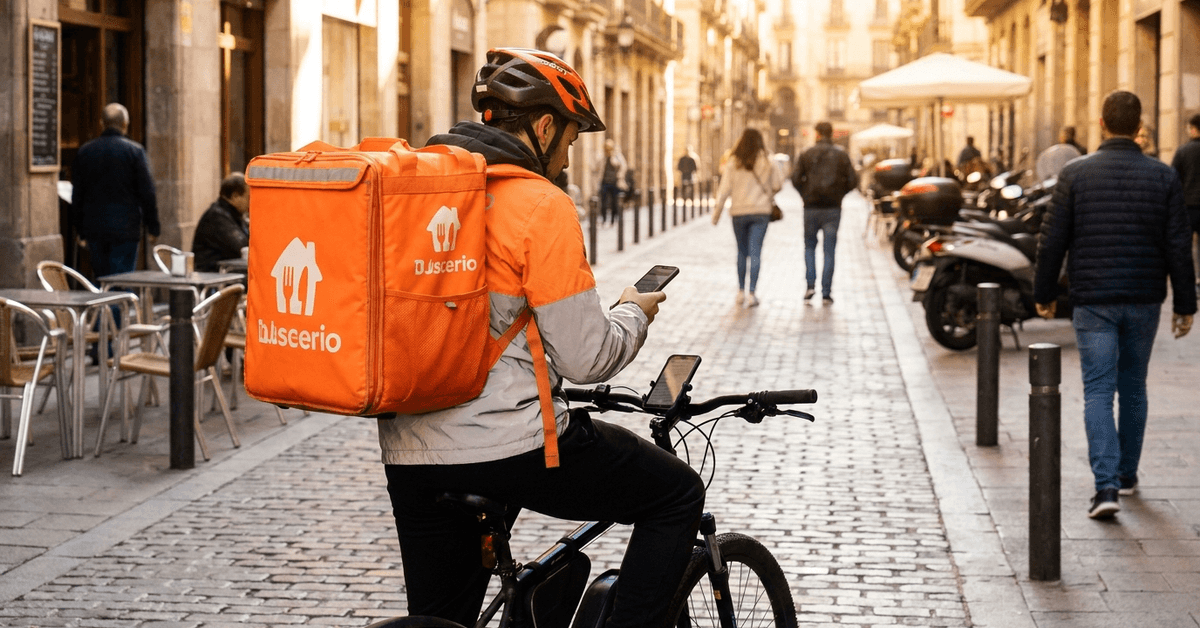
- Opt for insulated bags to keep items fresh
- Communicate politely with restaurant staff and customers
- Check equipment (bike, phone) before starting shifts
- Monitor peak demand hours using the app’s insights
Handling Occasional Challenges
There might be delays, bad weather, or tech glitches. Some couriers find these issues frustrating, particularly when new. Patience and creative problem-solving seem to help workers adjust rapidly.
Legal and Tax Considerations in Spain
Certain companies treat riders as freelancers (autónomos), which brings specific tax and insurance obligations. Recent regulations in Spain affect how food delivery work is classified.
Candidates are encouraged to review the latest legal news or seek advice from official sources. For many, seeking basic tax consultation is worthwhile—rules around social security, income tax, and registration evolve frequently.
- Registering with social security as an autónomo
- Paying quarterly taxes (IVA and IRPF)
- Meeting insurance minimums
It’s not uncommon for new couriers to feel unsure about paperwork. Most platforms offer basic support or partner with agencies for administrative help, but the final responsibility rests with the individual.
Powerful Conclusion: Food Delivery Work as a Stepping Stone
Food delivery jobs in Spain provide immediate access to income for those with no prior industry experience. Flexibility, rapid onboarding, and straightforward requirements help open doors to almost anyone searching for practical work.
Whether the aim is supplemental cash, flexible scheduling, or testing new cities, delivery work turns out to be a valuable stepping stone.