
The demand for halal credit cards in the UAE continues to grow, especially as more residents seek banking products aligned with their beliefs.
Among these, the Dubai Islamic Bank (DIB) credit card stands out as a popular Sharia-compliant choice for people wanting secure, ethical, and practical spending solutions in 2026.



This article unpacks what makes these cards unique, who can benefit, and why understanding their services can make a real difference in your day-to-day financial life.
If you’re someone who wishes to align financial tools with faith-centered values—perhaps you're Muslim, or simply prefer ethical finance—Dubai Islamic Bank offers a halal alternative.
Learning the basics can reveal several benefits: transparency, lifestyle rewards, wide acceptance, and peace of mind.
Maybe the range of choices seems broader than expected, or perhaps there are a few hesitations about Sharia compliance and common misconceptions to clear up. Either way, this article aims to help you navigate these topics with clarity.
What Is a Halal Credit Card and Who Is It For?
The idea of a halal credit card is straightforward: it provides all the modern conveniences of credit without involving practices prohibited in Islamic finance, such as interest (riba) or hidden fees.

Sometimes people have doubts—are these truly different from conventional cards? The answer lies in how transactions, fees, and benefits are structured, always prioritizing transparency and ethical standards.
Halal cards are ideal for residents who want to avoid riba, but they're also an interesting option for anyone seeking a more ethical banking experience.
Even if faith isn't your primary concern, clarity around costs and a fair contract can offer extra peace of mind. Some expats, too, find these cards appealing for their transparent terms and solid consumer protections.
How Sharia Compliance Shapes Card Features?
Uncertainty around Sharia compliance is understandable. Dubai Islamic Bank develops its cards under the supervision of Sharia boards, which review everything from card fees to reward schemes.
That means any charges, whether annual or for late payment, must be pre-approved and cannot include classic interest charges.
Instead, DIB might use administrative or service fees, stated upfront, to cover costs—helping cardholders avoid surprise costs.
Common Misconceptions
Sometimes, people think halal credit cards are restrictive or lacking in rewards compared to conventional options.
In reality, major UAE banks—especially DIB—offer competitive perks and high levels of customer service. The lack of interest doesn’t mean less convenience or fewer lifestyle benefits.
This blend of practicality and ethics may surprise you if it's your first time exploring Islamic finance products.
Dubai Islamic Bank Credit Card Types and Their Key Benefits
Dubai Islamic Bank features a range of credit cards tailored to different needs and spending styles. Whether you’re a frequent traveler, an everyday shopper, or looking for exclusive lifestyle features, there’s likely an option that fits.
Each card is built to adhere strictly to Sharia principles, offering both peace of mind and real-world advantages.
Classic and Platinum Cards
The Classic Card keeps things simple, focusing on safe, straightforward transactions and practical benefits—maybe a favorite for someone just starting out.
Meanwhile, Platinum options add premium services like enhanced airport lounge access, travel insurance, or concierge offers, all without interest-based charges.
Signature, Infinite, and Premium Cards
For those looking for something with even more perks, Signature, Infinite, and select premium cards from Dubai Islamic Bank can offer features like global rewards, higher spend limits, or luxury brand privileges.
It's these extra touches—without straying from strict halal protocols—that often tip the balance for those keen on both reward and compliance.
Business and Co-Branded Cards
Beyond personal use, DIB also issues business credit cards and co-branded products, sometimes in partnership with airlines, retailers, or travel networks.
These can offer exclusive discounts or mileage programs, making them suitable for entrepreneurs and frequent flyers alike who need ethical business solutions.
How Halal Cards Handle Spending, Fees, and Rewards?
Understanding the financial structure of Dubai Islamic Bank credit cards can be enlightening—especially if you come from a background where interest is considered standard. Every component, from fees to reward points, reflects Sharia-approved practice.
No Interest, But Still Convenient
The core difference: no interest charges. Instead, cards may levy monthly or annual fixed fees. It’s a subtle but important shift, and perhaps one not everyone realizes. You gain all the payment flexibility of a credit card, yet never stray into riba territory.
Transparent Service Charges
Upfront disclosure is key. Most DIB cards will specify exactly what you pay—whether it's an annual administration fee, a transaction charge for foreign currency usage, or a penalty for late or missed payments.
There are no hidden traps. Admittedly, some fees may seem higher than on promotional conventional cards, but the clarity helps you plan your finances better.
Reward Schemes and Cashback
Despite what many expect, reward programs are alive and well on halal cards. DIB credit cards in 2026 typically offer cashback, loyalty points, or lifestyle discounts—covering everything from travel to grocery shopping.
Points are earned per dirham spent and can often be redeemed for travel vouchers, gift cards, or bill payments.
The rewards are verified to ensure no element contradicts Islamic principles, providing a safe but still enjoyable way to get more from your spending.
Where You Can Use Dubai Islamic Bank Halal Credit Cards?
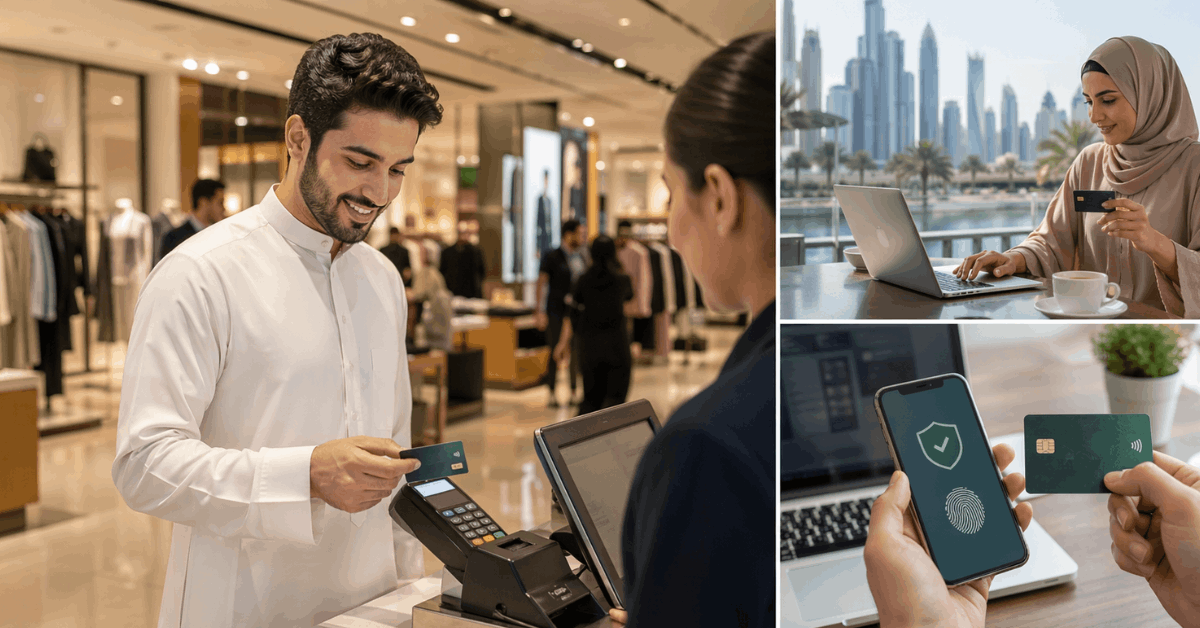
Concerns about acceptance are common, but largely unfounded. Dubai Islamic Bank cards run on the same major networks (Visa, Mastercard), so they’re accepted almost everywhere—at point-of-sale terminals across the UAE and worldwide, online shopping platforms, and major mobile payment wallets.
Everyday Spending and Big Purchases
Whether you’re covering the cost of daily groceries, booking airline tickets, or paying utility bills online, these cards are as versatile as any conventional product.
There’s no need to change your habits; you just do so with added compliance for your conscience, or perhaps, more confidence in cost transparency.
Online Security and Protection Features
Dubai Islamic Bank invests heavily in card security. Two-factor authentication, 24/7 fraud monitoring, and user-controlled spending limits make it easier to use your card online or in-store. It’s one of those things you might not notice until you really need it.
How to Apply for a Dubai Islamic Bank Halal Credit Card in 2026?
The process is fairly streamlined. Most UAE residents—both citizens and expats—can apply if they meet the minimum salary and documentation requirements.
Criteria may vary by card tier, so a Platinum or Infinite option will demand a higher income threshold, for example. Details are laid out on the official Dubai Islamic Bank website.
Documentation and Eligibility
Required documents commonly include proof of residency, Emirates ID, salary certificates, and recent bank statements.
Occasionally, self-employed applicants might need to provide extra documentation (like trade licenses). The process can be started online or in a branch, depending on your preference, although some cards may move to digital-only application flows by 2026.
Approval and Issuance
Approval timelines are typically a few days, though this may vary with the type of card and completion of paperwork.
During high-traffic periods—think holiday seasons—it’s possible things slow a bit, at least based on some past user experiences, but generally reliability scores high. Activation is straightforward via mobile app, phone, or ATM.
Key Legal and Tax Issues in the UAE for 2026
Staying on top of legal and tax issues is prudent. The UAE does not levy income tax on individuals (as of 2026), which includes rewards or cashback you receive from your credit card.
However, you may still need to disclose balances or spending if you’re a tax resident elsewhere. Keeping good records is always wise, particularly for business card users.
Sharia Governance and Consumer Protections
A notable advantage: all DIB cards undergo strict oversight from recognized Sharia boards, adding a protective layer against unacceptable financial practices and upholding trust.
Consumer protection regulations in the UAE guarantee additional safeguards, including dispute resolution and mandatory disclosure of costs—essentially creating a reliable banking environment.
Tips for Using Your Halal Credit Card Effectively
Maximizing value from your Dubai Islamic Bank credit card takes a combination of clever management and regular reviews of your spending habits.
Setting up payment reminders, keeping track of reward points, and avoiding late payment fees can add up over time. Perhaps keeping a list of recurring expenses—grocery, utilities, gym—makes it easier to optimize your card’s benefits.
Stay Within Sharia Guidelines
Even though DIB handles compliance, double-checking that your purchases avoid non-permitted items (such as alcohol, certain forms of entertainment) is a worthwhile extra safeguard. It can also protect you from future program changes or misunderstandings.
Leverage Digital Banking Tools
By 2026, most DIB services are managed through digital banking apps. Monitoring transactions, setting spending controls, and receiving instant notifications are now the norm.
This not only saves time but also offers a wealth of features to analyze your own spending patterns, translating into better financial habits in the long run.
Understand Usage Abroad
If you travel, remember to check foreign usage fees and whether your chosen card tier includes complimentary global perks.
DIB cards are generally reliable overseas, but a quick check before your trip might reveal new features or updates tailored for 2026—perhaps better airport lounge access or improved currency conversion rates.
Conclusion
Dubai Islamic Bank halal credit cards can be a practical choice in the UAE for people who want modern payment convenience without stepping outside Sharia-compliant banking principles.
Their value comes from combining transparent fees, wide acceptance, strong security, and competitive rewards within an ethical financial structure.
The right card depends on your income, spending habits, and whether you need simple everyday use or premium travel and lifestyle benefits.
For residents who care about both financial function and faith-aligned products, DIB cards can offer a balanced and reliable solution in 2026.