
Exploring DHL driver jobs in Spain can offer a route into an established logistics network. These roles may appeal to people seeking predictable routines and regular income.
This guide explains pay, schedules, requirements, progression, and daily work. It also covers applications, legal considerations, and practical expectations for drivers.



Why Consider DHL Driver Jobs in Spain?
DHL operates delivery and logistics services across Spain. For people seeking structured employment, driver roles can offer clearer schedules and established systems.
Stability Versus Gig Flexibility
Compared with app-based courier work, DHL drivers often follow assigned routes and planned shifts. This can provide greater predictability for workers who prefer routine. The trade-off is less control over daily hours than many gig roles provide.
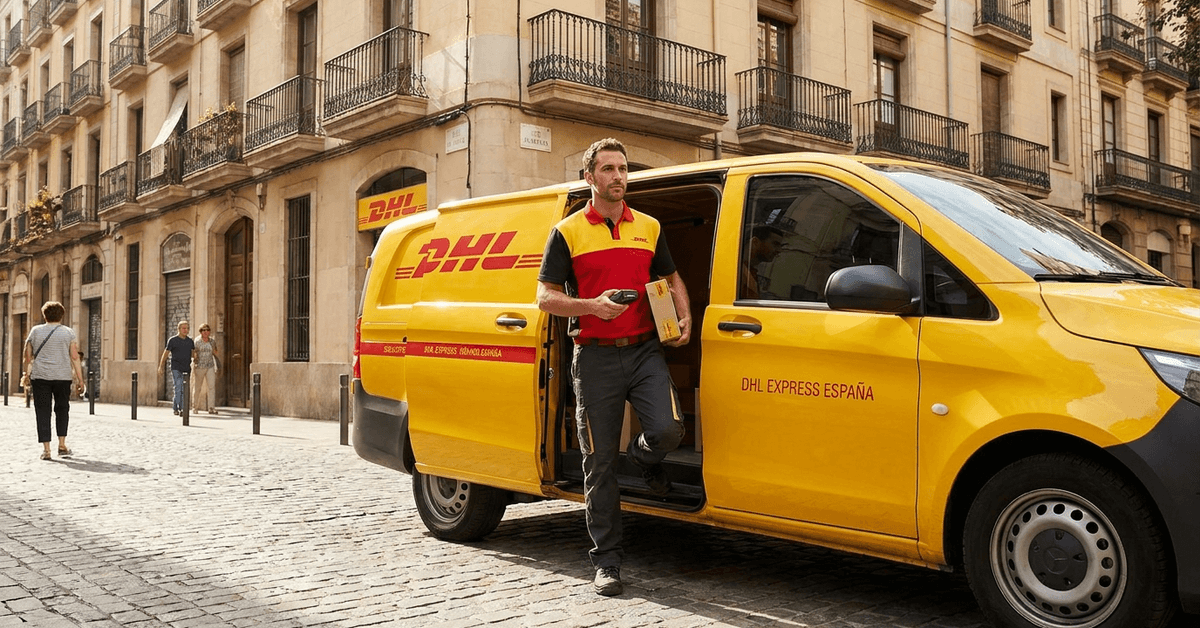
Global Company, Local Impact
Working within an international logistics company brings established procedures and operational support.
DHL operates across more than 220 countries and territories, while roles remain connected to local delivery needs. Drivers still work closely with depots and customers.
Available Roles Within DHL
Delivery positions can include urban van routes, local distribution, and larger-vehicle transport. Requirements depend on the vehicle, location, and specific vacancy. Candidates should read each job description carefully.
Reliable Income: How Much Can DHL Drivers Earn in Spain?
Driver pay varies with location, experience, vehicle type, hours, and employer. The actual salary in an offer is the reliable figure.
Typical Salary Ranges
Public salary data for driver roles in Spain shows a broad range. Some reported positions fall around €1,300 to €2,000 monthly, depending on location and responsibilities. Overtime, night work, holidays, or supplements can change total compensation.
Additional Benefits and Perks
Full-time contracts may include Social Security contributions, paid leave, training, and other benefits. DHL also highlights career development and wellbeing programs. Exact benefits vary, so applicants should check the vacancy and contract.
Payment Consistency
Employees are normally paid according to their employment terms. Regular payroll can provide financial predictability for budgeting, bills, and savings. Workers employed through another company should confirm that employer’s payment schedule.

Work Schedules and Daily Routine as a DHL Driver
Delivery work combines planned shifts with parcel volumes, traffic, and customer needs. A structured schedule can create clearer routines, although busy periods may still require flexibility.
Set Start and End Times
Many delivery roles use defined shifts based on depot operations. Exact start and finish times depend on the specific position and route. Overtime should follow the employment agreement and applicable Spanish rules.
No Surprise Shifts
Compared with on-demand gig platforms, employed delivery roles can provide more advance scheduling. Planned hours help workers organize personal commitments and rest. Operational needs can still create schedule changes.
Work-Life Balance Considerations
Regular shifts may suit people who prefer predictable boundaries between work and personal time. Drivers coming from gig work may need time to adjust to fixed schedules. Whether this feels restrictive or reassuring depends on personal priorities.
Requirements and Qualifications to Apply
A driving licence is central to most delivery roles, but employers may also assess reliability and customer service. Candidates should match their qualifications and documents to the vacancy.
Driving Licences and Experience
A standard B licence may cover many van roles, while larger vehicles require appropriate qualifications. Previous courier or transport experience can help but may not be mandatory. A valid driving licence and safe driving habits remain essential.
Additional Screening Measures
Recruitment can include application review, interviews, licence checks, or role-specific screening. Some positions may include safety training before regular duties begin. The exact process varies by location and business area.
Typical Career Path and Advancement
Driving does not have to be the final step in logistics. DHL promotes training and professional development, allowing employees to explore operations, dispatch, supervisory, warehouse, or administrative roles.
Promotions and Internal Job Postings
Internal vacancies can give experienced employees opportunities to move into different responsibilities. Familiarity with company systems may support applications for future roles. Advancement depends on performance, qualifications, vacancies, and business needs.
Skills That Transfer Beyond Delivery
Drivers develop time management, navigation, customer service, problem-solving, and organization. These transferable skills can support other logistics or service roles. They remain useful for employees who later change industries.
Pros and Cons of DHL Driver Jobs in Spain
The role can suit people who value routine, activity, and responsibility for deliveries. It also has limitations, so candidates should compare work conditions with personal priorities.
Benefits
Several advantages relate to structure, income, and development. Exact conditions depend on the specific contract offered.
- Predictable schedules and planned working hours in many roles
- Regular payroll that can simplify financial planning
- Structured procedures and established operational systems
- Training and potential opportunities for career progression
- Employee benefits where included in the contract
Potential Downsides
Delivery work can be repetitive and physically demanding during busy periods. Workers should consider schedule flexibility and workload before applying.
- Less freedom to choose hours than many gig roles
- Repetitive routes or routines may not suit everyone
- Physical demands from driving, lifting, and repeated stops
- Screening, training, and licence requirements before starting
How to Find and Apply for DHL Driver Jobs?
Vacancies appear through official career channels and employment platforms. Starting with the official DHL careers page helps applicants find openings in Spain.
Preparing an Application
Candidates should prepare a CV, identification, driving licence, and documents. Highlighting punctuality, safety, customer service, and reliable work habits can strengthen an application. All information should be accurate and consistent.
Where to Look?
The official DHL careers site lists opportunities in Spain, including frontline and logistics positions. Major platforms such as InfoJobs or LinkedIn may also show driver vacancies. Applicants should confirm the employer when listings involve subcontractors.
Legal and Tax Considerations for DHL Drivers in Spain
Employment status determines tax, Social Security, insurance, and workplace obligations. Reading the employment contract helps workers understand protections and responsibilities.
Contract Types
Spanish employers can use different lawful contract forms depending on the position. Rights involving leave, working time, pay, and dismissal depend on applicable labour rules and agreements. Candidates should not assume every DHL-branded vacancy uses identical terms.
Tax Withholding and Social Security
For employees, payroll generally includes applicable income-tax withholding and Social Security contributions.
This reduces the need to manage those obligations like a self-employed worker. People under another arrangement should confirm their tax responsibilities independently.
Conclusion: Getting More from a DHL Delivery Career
DHL driver roles in Spain can provide structured logistics work for people who value routine and systems. Pay, schedules, benefits, and requirements vary by vacancy, location, and employer.
Reviewing the job description and contract helps candidates understand what the role offers. Safe driving, reliable service, and continued learning can support long-term career growth.