
Belgium’s construction sector is experiencing significant growth, opening new opportunities for skilled workers.
For many, especially those who can communicate in NL or Flemish, the prospect of finding work in this field feels not just possible, but likely.



Whether you have experience in bricklaying, electrical work, or another speciality, Belgium continues to seek out those who bring proven skills to the table.
This article explores where the jobs are, what skills are most sought after, and what skilled workers might expect.
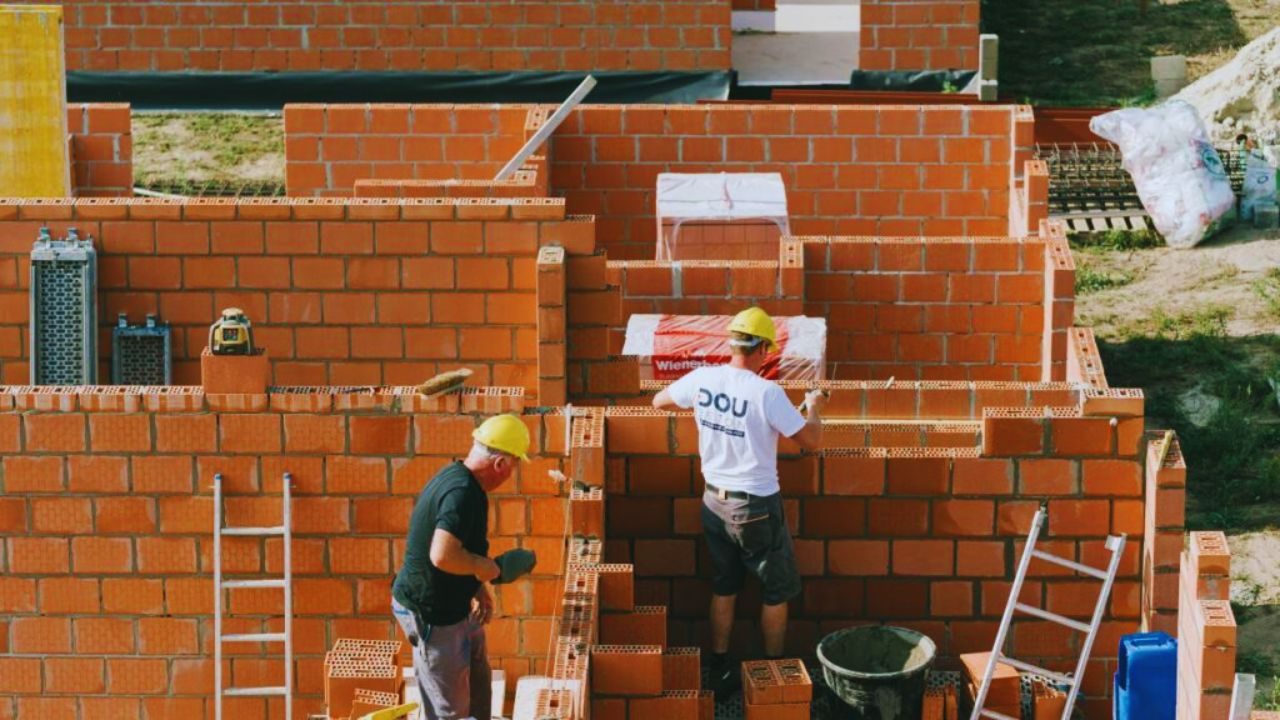
Why Construction Jobs Are Booming in Belgium
Belgium’s cities and infrastructure are rapidly modernizing. Greater demand for housing, renovations, and public projects means contractors are searching for talent more actively than in prior years.
The climate for new construction, especially in major regions like Flanders and Brussels, is helping workers secure longer projects. Additionally, large investments in sustainable building tech are influencing both job requirements and opportunities in the sector.
Economic Factors Driving Demand
The Belgian government has injected funds into urban expansion, roadways, and sustainable energy upgrades.
These efforts boost the need for trades like masonry, roofing, electrical installation, and HVAC. In some cases, even as some industries slow, construction stays strong, arguably even gaining from economic shifts.
Aging Workforce and Skills Gap
Many current construction workers are nearing retirement age. Younger workers sometimes overlook this sector, leading to shortages in skilled trades.
This gap creates favorable conditions for both local and international skilled workers who want steady employment and fair compensation.
Types of Construction Jobs Available for NL / Flemish Speakers
Several job types are consistently available to those with the right qualifications. Speaking NL or Flemish is a marked advantage, especially in Flanders.
Employers prize workers who can communicate clearly on-site, understand safety information, and coordinate efficiently with colleagues.
Top Roles in Demand
- Bricklayers (Metselaars): Building, renovating, and repairing masonry structures.
- Electricians (Elektriciens): Wiring buildings, installing switchboards, and ensuring systems meet code.
- Carpenters (Timmerlieden): Working on frameworks, interior fixtures, and formwork.
- Roofers (Dakdekkers): Installing and repairing roofs on residential and commercial projects.
- Plumbers (Loodgieters): Laying pipework and addressing water or gas installation needs.
- Equipment Operators (Kraanmachinisten): Handling construction machinery safely and efficiently.
- Painters and Finishers: Delivering high-quality interior and exterior finishes.
- Project Supervisors: Managing teams and overseeing daily progress on job sites.
Seasonal and Project-Based Opportunities
Some contracts correspond with seasonal peaks. For example, exterior construction increases in spring and summer.
Meanwhile, renovation and finishing work can continue all year, providing stability even as seasons change. A handful of companies also hire for large-scale projects, which might last several months or even years.

How to Qualify: Skills, Certifications, and Language Expectations
Some Belgian employers require formal training or proof of specific skills. For those without EU qualifications, showing experience and a willingness to learn can sometimes help.
Maintaining flexibility and keeping certifications up to date increases one’s chances of getting better offers.
Recognized Diplomas and Certifications
Belgian regulations ask for proof of expertise. Workers from the EU usually have an easier time having their credentials recognized, but mutual recognition isn’t guaranteed.
Those with international diplomas could check how their certificates align with local Belgian standards, perhaps by contacting VDAB, Le Forem, or regional skills agencies. Some companies offer training or can help with paperwork for recognition.
Importance of Language Skills
While many job sites in Brussels function bilingually, Flanders primarily operates in Dutch. Even basic skills in Flemish can help with on-site instructions, safety bulletins, and talking to colleagues.
Over time, improving language proficiency increases the chances for advancement as well.
Where to Find Construction Jobs in Belgium
Several Belgian and European job boards specialize in construction trades. Major staffing agencies also maintain listings.
For those just starting, regional labor offices like VDAB (for Flanders) or Forem (for Wallonia) present many openings—filter by language as needed.
Popular Job Platforms
- VDAB: Main portal for jobs in Flanders.
- Le Forem: Jobs for Wallonia, though Flemish skills are valued highly.
- Indeed Belgium: Regularly features building trades positions.
- Randstad and Accent: Agencies specialized in technical and construction placements.
- LinkedIn: An increasing number of local construction firms post vacancies.
- Direct company websites: Some larger construction firms, like BESIX or Willemen Groep, advertise their own vacancies.
Typical Salary Ranges and Work Conditions
Construction wage levels in Belgium generally compare well with European averages. Unions and sectoral agreements provide baseline security. Still, wages can vary based on region, type of work, seniority, and specialization.
Indicative Salary Brackets
| Role | Monthly Gross Salary (EUR) |
|---|---|
| Bricklayer | €2,100 – €2,900 |
| Electrician | €2,300 – €3,200 |
| Carpenter | €2,000 – €2,850 |
| Roofer | €2,100 – €2,800 |
| Project Supervisor | €2,700 – €4,000 |
Benefits often include paid holidays, meal vouchers, and transport allowances. Some firms offer year-end bonuses or additional insurance. Conditions sometimes depend on the sector’s collective labor agreements, known as paritaire comités.
Legal and Contract Requirements for Skilled Workers
While EU nationals can work without a permit, non-EU skilled workers must secure the proper visa before employment.
Belgian rules tend to be strict about paperwork and contracts. All contracts ought to specify wage, hours, and safety conditions. Most jobs are signed as fixed-term or indefinite, with temporary options provided via agencies.
Health and Safety Standards
Belgian construction law is clear about worker safety. Teams follow EU rules on protective gear and site practices.
Workers can expect regular safety meetings and controls by site supervisors. Not following the rules could mean being asked to leave the site, so staying attentive helps.
Union Representation and Worker Support
Most construction workers in Belgium join a trade union or benefit from sectoral agreements.
Unions assist with workplace rights, salary negotiations, and dispute mediation. Even for those new to Belgium, these organizations provide information in Dutch and French.
Tips for Standing Out in the Belgian Construction Market
Employers appreciate reliability, punctuality, and openness to training. Some even value a strong willingness to pitch in anywhere—even outside one’s official title. While every site works differently, showing initiative and responsibility is usually rewarded.
Perhaps a less obvious tip: keeping a short log of your work projects can help at performance reviews or job changes.
Helpful Add-Ons for Your CV
- Certificates for machinery, scaffolding, or safety courses
- References from previous jobs (preferably from the EU)
- Photos or portfolio of completed projects (where allowed)
- Short motivation statement demonstrating readiness to adapt
Growing Your Career: From Worker to Supervisor
Construction careers in Belgium rarely stand still. Many companies invest in internal training and offer advancement routes. Language ability can accelerate promotion, since supervisors often coordinate multinational teams.
Technical upskilling—like green building techniques—is in higher demand lately, suggesting new opportunities for those invested in professional growth.
Opportunities for Specialized Training
Several organizations in Belgium, including sector-specific academies or vocational schools, run upskilling sessions for free or reduced cost.
These might focus on digital blueprints, new materials, or energy efficiency standards. Some employers help arrange this, supporting workers who want to stay competitive.
Conclusion
High-demand construction jobs in Belgium can offer skilled workers a strong path toward stable employment and career growth.
By understanding required skills, certifications, and available roles, applicants can target better opportunities. With the right preparation, construction work can become a practical and rewarding long-term career choice.