
Finding work without prior experience can sometimes feel difficult, especially for newcomers or those making a career switch. Cleaning jobs in Belgium stand out as a practical way to enter the job market.
These roles are regularly available, and, often, employers value reliability and willingness to learn as much as background skills.



For those living in Belgium, whether Dutch-speaking (NL) or familiar with Flamenco communities, cleaning work offers a chance to build confidence and financial security from day one.
Why Choose Cleaning Jobs in Belgium?
People look for cleaning positions for a range of reasons. The field appeals to students, new residents, or anyone searching for immediate and steady income. There’s also built-in flexibility and variety across roles.
If you’re hoping to quickly access the workforce—perhaps without impressive work history—this path may be worth your consideration.
No Experience? No Problem
Employers in Belgium’s cleaning sector are generally open to entry-level applicants. Training is nearly always provided on the job. Perhaps it sounds almost too good to be true, but there’s a steady demand for cleaners across homes, offices, and businesses.
Accessible to Non-Native Speakers
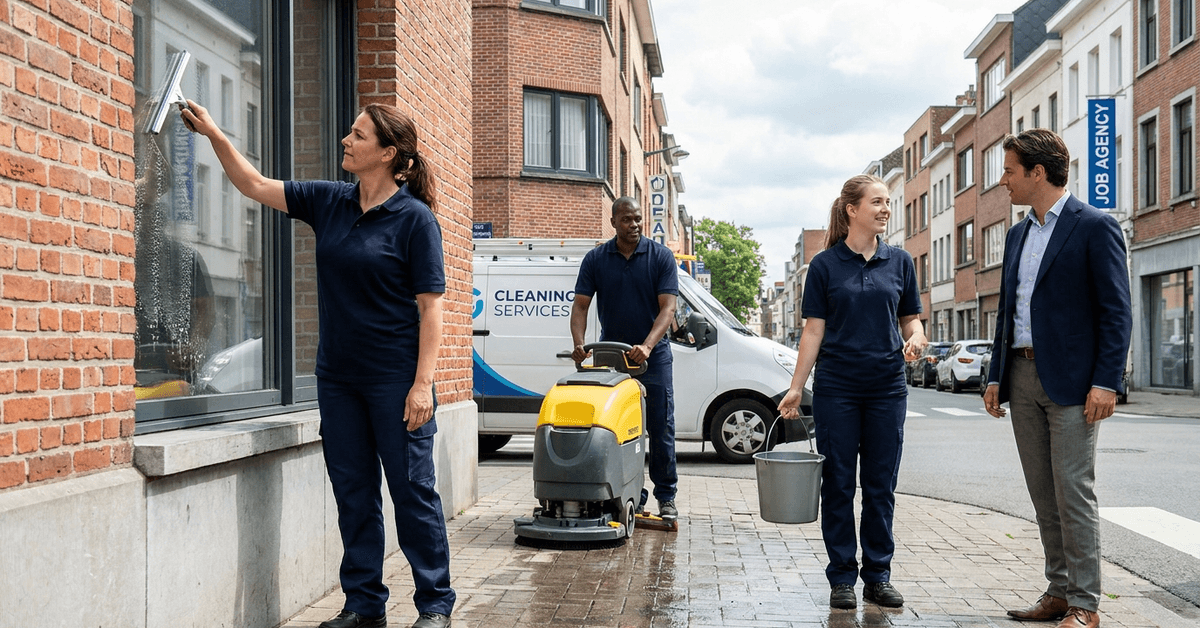
Many cleaning agencies and companies greet Dutch and Flamenco speakers, but English can be enough to get started in international cities. There’s a strong presence of expat-friendly employers. Some roles may even prefer bilingual or multilingual candidates.
Steady Demand Throughout the Year
The cleaning industry is resistant to economic swings. Companies, households, and organizations all rely on cleaning services as part of their day-to-day routine. Seasonal peaks happen, but there’s usually work available year-round.
Types of Cleaning Jobs Available in Belgium
From private households to large business buildings, cleaning work shows real range. The following roles are most common for entry-level applications:
Residential Cleaning
Most residential positions involve cleaning private homes or apartments. Duties might include dusting, vacuuming, mopping, laundry, and sometimes ironing or pausing for friendly small talk. Sometimes, live-out roles or set schedules give added flexibility.
Office and Commercial Cleaning
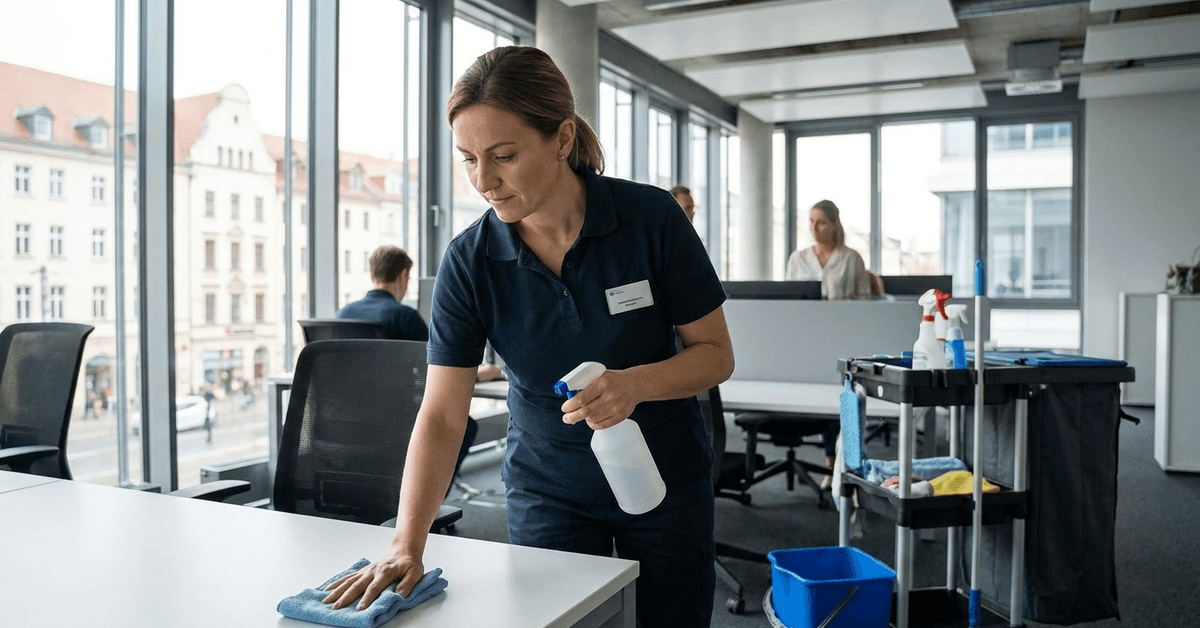
Offices, schools, shops, and even hospitals employ large numbers of cleaning staff. Work usually happens after hours or early mornings, which provides opportunities for those needing to balance other commitments or studies.
Hotel and Hospitality Cleaning
Hotels, hostels, and B&Bs in tourist areas always need cleaners for housekeeping and public spaces. Some people enjoy this team-oriented work, although it can be physically demanding during peak seasons.
Industrial Cleaning
Some cleaning roles involve working in warehouses, factories, or industrial environments. Sometimes the work may require learning how to use specialized equipment, but basic positions don’t demand advanced training at the start.
Top Skills Employers Seek (Even Without Experience)
Even if you lack a formal CV, several traits help you stand out:
- Reliability and punctuality
- Ability to follow instructions carefully
- Physical stamina and attention to detail
- Openness to feedback and learning
Realistically, employers know that most candidates won’t have technical training. People skills and a can-do attitude are often valued more highly than certification.
How to Find Cleaning Jobs in Belgium
Multiple pathways exist for those searching for cleaning work, whether they speak Dutch, Flamenco, or English. The most effective approaches blend online and offline searches:
Register with Local Cleaning Agencies
Many agencies regularly post openings for cleaners in different regions and sectors. Registration is usually free, and agencies match candidates to both temporary and long-term placements.
Agencies like Tempo-Team and Randstad are recognized brands with multilingual support.
Look for Online Job Boards
Platforms such as Indeed Belgium, VDAB (for Dutch speakers), and Gemeente Lokale Jobs list cleaning roles daily.
Setting up job alerts improves the odds of discovering vacancies early. Of course, it’s wise to check reviews for unfamiliar companies before accepting interviews.
Approach Employers Directly
Smaller companies and households may post vacancies on community boards or local social media groups (“Facebook Groups Belgium,” for example).
Printing a simple CV and delivering it in person shows initiative, which may increase chances, especially in smaller towns.
Leverage Personal Networks
Sometimes, job opportunities emerge through word of mouth—recommendations from neighbors, friends, or community organizations are more common than you might expect. Some people find their first role through relatives or local community groups.
Application Tips for Beginners
Even entry-level cleaning jobs involve competition, especially in urban areas. These gentle suggestions may improve application outcomes:
- Be upfront about your lack of experience, but show a willingness to learn
- Highlight any relevant life experience (e.g., organizing, childcare, volunteering)
- Prepare to discuss flexible hours and willingness to take shifts
- Dress neatly and present yourself in a practical, friendly way during any meeting
Of course, some rejections happen. But, as with most things, persistence can really pay off.
Legal Considerations and Worker Protections
Workplaces in Belgium are regulated, and cleaning staff typically benefit from legal protections—even at entry level. It’s important to be aware of the basics before beginning any job.
Work Contracts
Cleaning roles should almost always involve a written work contract. This covers pay, working hours, and leave. Usually, contracts are issued in Dutch, French, or sometimes English. It never hurts to read carefully before signing anything.
Fair Pay
Most cleaning roles must follow minimum wage rates established by law. Agencies and companies usually pay per hour, with overtime paid fairly. Some jobs may pay slightly above the minimum for night or weekend shifts.
Social Security and Insurance
Legal jobs include contributions towards social security and workplace accident insurance. This is also important for residency permits or long-term visa applications—legal employment carries extra benefits in the long run.
Work Permits for Non-EU Residents
For non-EU or EEA nationals, a valid work permit or residence card is required before starting. Some agencies assist with this paperwork; others may expect candidates to already have permits. It rarely hurts to clarify this up front.
Common Challenges and How to Overcome Them
No field is without obstacles. Cleaning work is physically demanding and sometimes overlooked. Some people might even feel embarrassed about starting in such roles.
This hesitation is understandable, but there’s no shame in honest work. Over time, many workers discover newfound confidence and independence.
Adapting to Variable Schedules
Cleaning jobs, especially in hospitality or commercial sectors, involve shift work or early mornings.
Routines may change, and reliability becomes extra important. Some people see this as a challenge; others prefer the variety and free time it offers elsewhere in the day.
Language Barriers
If Dutch or Flamenco is required, basic listings may request minimal conversational skills. Taking a simple language class or using translation apps can help break the ice.
Over time, the workplace itself becomes language practice—and many supervisors are prepared to accommodate someone who tries.
Opportunities for Progression and Long-Term Growth
Some people remain in cleaning roles for the dependable income, while others use entry-level jobs as a springboard to higher positions.
Promotion to supervisor, team leader, or specialized cleaning (like window or industrial cleaning) can happen in months or years. Training programs and language courses, sometimes funded by employers, open new doors along the way.
Cleaning work can be a gateway to the Belgian labor market. For some, it’s a stepping-stone to roles in hospitality, facilities management, or entrepreneurship. There’s real pride in starting from scratch and learning practical, in-demand skills.
Conclusion
Cleaning jobs in Belgium can be a practical starting point for people who want flexible work without needing previous experience.
With reliability, attention to detail, and steady effort, entry-level roles can lead to better schedules, stronger skills, and long-term opportunities in homes, offices, hotels, or commercial spaces.