If you speak Dutch or Flemish and are weighing a career shift, driver jobs in Belgium pay above the national median for many comparable roles, and the demand holds steady year-round.
The spread of categories surprises people who think driving means only trucks. Parcel delivery, taxi, bus, and specialized logistics each carry different license requirements and pay structures.



Belgium's position at the center of European freight routes keeps the job market different from most of its neighbors.
This is a guide for Dutch and Flemish speakers looking at transport work as a real career path. Pay, license categories, and the freelance question all get covered below.
Why Belgian Driver Salaries Run Higher Than You'd Expect
Belgium's geographic position creates a specific kind of labor pressure. Road freight companies need drivers who can handle both domestic routes and cross-border hauls into the Netherlands, Germany, or France.
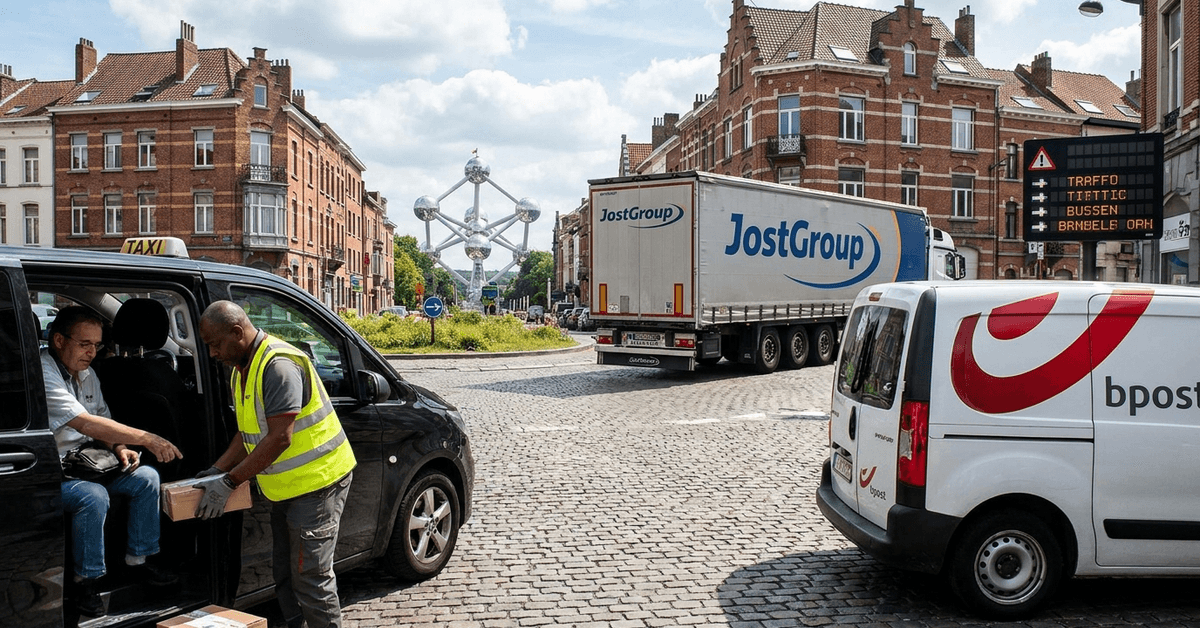
According to Statbel, median monthly salaries for drivers in Belgium sit above the national average for many jobs requiring similar hours.
Truck and specialized freight drivers also collect additional pay through night shift bonuses and cross-border haul premiums.
What Drives the Pay Gap Between Driver Types
The salary difference between a Category B courier driver and a Category CE truck driver is substantial. Freight and logistics roles require more certifications, more time away from home, and greater physical responsibility.
| Driver Type | License Required | Notable Pay Factors |
|---|---|---|
| Courier/Parcel | Category B | Volume-based bonuses, tip potential |
| Truck (National) | Category C | Night shift premiums, distance bonuses |
| Truck (EU Cross-Border) | Category CE | Cross-border haul rates, ADR bonus if certified |
| Bus/Coach | Category D | Shift differentials, public sector benefits |
| Taxi/Rideshare | Category B | Platform surge pay, flexible hours |
Cross-border truck drivers with ADR certification consistently out-earn Category B courier drivers by a measurable margin.
Cities Where Driver Jobs Are Most Concentrated
Brussels, Antwerp, and Ghent generate the highest volume of openings. Antwerp's port activity keeps freight demand different in character from Brussels' courier and taxi market. Ghent sits between the two and sees a steady mix of both categories.
Types of Driver Jobs in Belgium and How They Differ
Courier and Parcel Delivery: The Fastest Entry Point
Parcel delivery grew sharply alongside e-commerce. Bpost, PostNL, and DPD hire regularly across Belgian cities, and the license requirement stays at Category B, which most applicants already hold.
The pace is high. Courier drivers often cover 80 to 120 stops per shift, and delays compound quickly across a route.
Truck and Freight Driving: Higher Pay, More Complexity
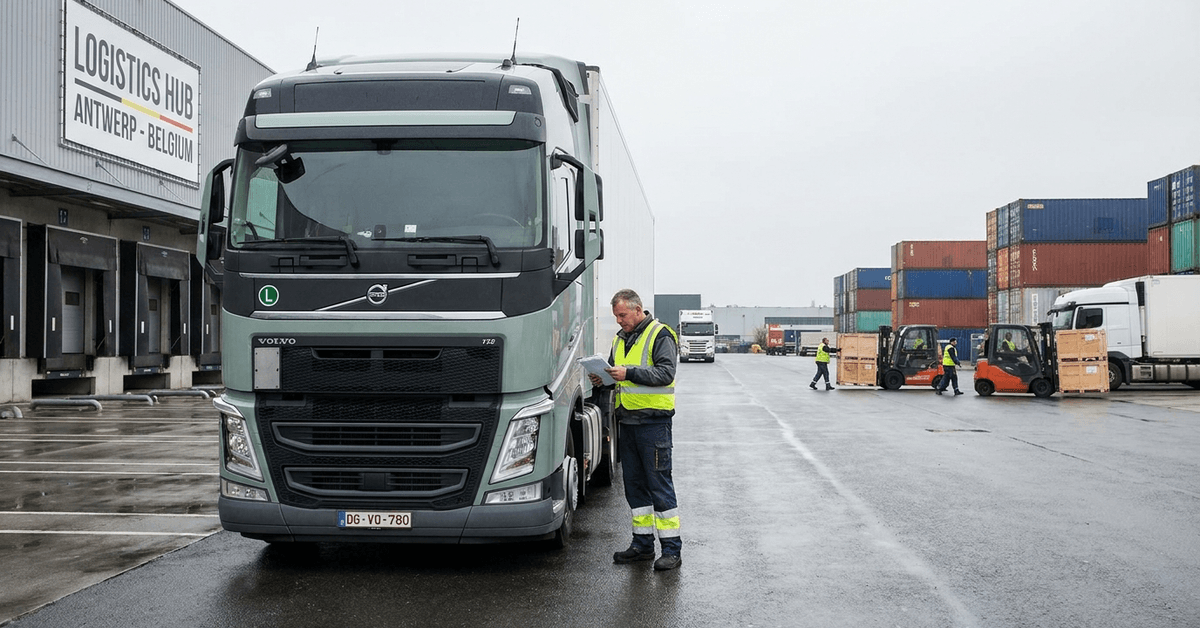
Truck roles require a Category C license at minimum. Cross-border EU transport typically needs Category CE. Many employers also look for ADR certification for hazardous materials transport, which adds a bonus rate on top of base salary.
Time away from home is a real factor for long-haul positions. Domestic freight drivers operating within Belgium usually maintain more regular schedules, though overnight stays are common for cross-border routes.
Uber, Bolt, and Taxi: How App-Based Driving Works in Belgium
Uber and Bolt both operate in Belgium and recruit actively. Taxi Verts and NextMobility cover regional demand for traditional dispatch services.
Income variability is higher than salaried positions, but drivers who prefer controlling their own hours tend to favor these roles over fixed-route work.
Bus and Coach Positions: Category D and What to Expect
Public and private bus companies require a Category D license. Urban transit contracts offer stability and often include public sector benefits.
Coach driving for private operators brings more schedule variation but can carry higher day rates, particularly for touring or event contracts.
How to Get Hired: Licenses, Language, and Where to Apply
Which License Category You Need
Belgium recognizes EU licenses without conversion. Non-EU license holders go through an official conversion process that varies by country of origin. Getting clarity on this upfront saves weeks.
The categories that matter for driver jobs:
- Category B: Cars and light delivery vans under 3,500 kg
- Category C: Trucks over 3,500 kg, domestic freight
- Category CE: Trucks with trailers, EU cross-border freight
- Category D: Buses and coaches carrying more than 8 passengers
Each category above B also requires a Driver Certificate of Professional Competence (CPC), renewed every five years through periodic training.
Why Your Dutch Matters More Than Just Talking to Customers
Dutch fluency matters beyond customer-facing conversations. Dispatch communication, contract documentation, and logistics coordination at Flemish companies run in Dutch.
A driver who can't follow Dutch instructions inside a warehouse management system gets flagged as unreliable on the logistics side before the cargo even moves.
That detail rarely appears in job postings, but it shapes hiring decisions at employers like H.Essers and Van Moer Logistics.
Language courses through VDAB are free for job seekers in Flanders and cover workplace-specific Dutch, which is more practical than general language classes.
Where Belgian Driver Jobs Get Posted
VDAB lists transport and logistics jobs almost daily. Jobat and StepStone also carry driver openings across Belgian regions. Agency recruitment is common in logistics, and some agencies specialize entirely in transport roles.
Direct company portals sometimes list positions not syndicated to job boards. Bpost, DHL Paket, H.Essers, and Van Moer Logistics all run their own career pages worth checking regularly.
The Freelance Question: Should You Go Zelfstandige Right Away?
A lot of career advice pushes new drivers toward freelance arrangements for the flexibility.
My take on this disagrees with that framing. Self-employed drivers in Belgium handle quarterly social insurance contributions, annual tax declarations, vehicle expense tracking, and mandatory professional insurance.
Starting freelance before you understand the Belgian driver market means dealing with all of that administrative load on top of learning routes and dispatch systems simultaneously. That's a difficult year one.
A salaried contract gives you social security coverage, paid leave, and a clearer income structure while you build local knowledge.
Shifting to zelfstandige makes sense once you have regular clients or a platform income stream that actually justifies the paperwork.
The Belgian tax authority's Dutch-language resources walk through deduction categories specific to professional drivers, including vehicle costs and work clothing, once you get there.
Certifications That Push Your Earnings Higher
A few qualifications are worth pursuing once you have baseline employment:
- ADR certificate: Opens hazardous materials transport routes, which carry a premium rate on top of base pay
- CPC periodic training: Required to maintain Category C and D licenses, so building it into a multi-year schedule matters
- Forklift operator certification: Relevant for warehouse-side logistics roles that combine driving with loading responsibilities
Some employers cover certification costs for existing employees. Ask about this before accepting an offer, because the answer changes whether staying with one employer beats moving to a higher-paying position elsewhere.
Questions People Ask About Driver Jobs in Belgium
Q: Do I need to speak French to get a driver job in Belgium? Flemish-region employers generally require Dutch only. Brussels is bilingual, and some roles there expect both Dutch and French, but many logistics companies in Brussels operate in Dutch regardless. The job posting language usually signals which is expected.
Q: Can I use my non-EU driver's license for truck driving in Belgium? Non-EU licenses go through an official conversion process first. The timeline and requirements depend on your country of origin. Contact the local municipality or DIV (Directie Inschrijvingen Voertuigen) for the conversion path that applies to your specific situation.
Q: Is rideshare driving through Uber or Bolt a stable income source in Belgium? Brussels and Antwerp generate enough volume for full-time income on rideshare platforms, but earnings vary week to week. Supplementing app-based work with a part-time salaried contract is a common approach among new drivers.
Q: What happens to professional drivers who lose points on their Belgian license? Belgium's demerit point system applies to professional drivers the same way it does to private ones. Many logistics employers run periodic record checks, so a clean driving record is a competitive factor during hiring, not just a legal requirement.
Q: Are there Belgian driver roles that don't require any certifications beyond a Category B license? Courier and parcel delivery roles at Bpost, PostNL, and DPD hire on Category B. Removal services and some medical logistics positions also fall into this category. Specialized or higher-paying roles, however, almost always require Category C or CE and CPC certification.
Conclusion
The Belgian driver job market rewards people who prepare before applying, not after the first interview. A Category C license with ADR certification puts you in a different tier of applicant than a Category B holder applying for the same freight listing.
Flemish language skills open a wider set of employers than drivers typically realize when they start looking. Get the foundation right, and the flexibility you want later becomes a choice rather than a fallback.